What Is an Organic Inbound Call? The Difference Between Inbound and Cold-Transfer Insurance Leads
An organic inbound call is a high-intent insurance lead generated when a consumer proactively dials a phone number found through digital marketing, search engines, or advertisements to speak with an agent. Unlike cold-transfer leads, which involve a third-party telemarketer initiating the contact, organic inbound calls represent the highest level of consumer intent because the shopper starts the conversation themselves. This distinction is critical for insurance agents in 2026 who prioritize high conversion rates and lower compliance risks.
Key Takeaways:
- Organic Inbound Call is a consumer-initiated phone call driven by direct advertising or search.
- It works by capturing active shoppers through targeted ads and routing them directly to an available insurance agent.
- It matters because inbound callers have a 30-50% higher intent level than outbound or transferred prospects.
- Best for independent agents and agencies seeking high-intent ACA, Medicare, and Life insurance leads without cold calling.
How Does an Organic Inbound Call Work?
Organic inbound calls function through a pull-marketing mechanism where the consumer takes the first step toward a purchase. The process begins when a lead generation platform like AllCalls.io places highly targeted advertisements across search engines, social media, or local listings. When a consumer sees the ad and decides they need a quote, they click a "click-to-call" button or manually dial the displayed number.
This journey typically follows these four steps:
- Consumer Intent: A shopper searches for a specific product, such as "Medicare Advantage plans" or "affordable ACA coverage."
- Ad Engagement: The consumer interacts with an advertisement that offers a solution to their specific insurance need.
- Direct Connection: The call is routed through a specialized platform that verifies the caller's location and intent.
- Live Interaction: The agent answers the phone and begins a live consultation with a prospect who is ready to talk.
Why Does Lead Type Matter in 2026?
In 2026, the distinction between inbound calls and cold transfers is more significant due to tightening TCPA regulations and shifting consumer behavior. Data from recent industry reports indicates that 78% of consumers prefer to initiate contact with a service provider rather than receiving an unsolicited or transferred call [1]. Organic inbound calls bypass the "interruption" phase of sales, leading to immediate rapport and higher professional trust.
Furthermore, the cost-per-acquisition (CPA) for organic inbound calls has become more competitive as automation reduces the need for large call centers to "warm up" leads. According to market research, agents using on-demand inbound platforms like AllCalls.io see a 25% reduction in time-to-close compared to traditional transfer models [2]. This efficiency is vital for agents managing high volumes during peak periods like the Annual Enrollment Period (AEP) or Open Enrollment (OEP).
What Are the Key Benefits of Organic Inbound Calls?
- Higher Intent Levels: Because the consumer initiated the call, they are mentally prepared to discuss insurance and provide personal information for a quote.
- Improved Compliance: Organic calls are inherently compliant with "Inbound-only" regulations, reducing the risk of TCPA violations associated with outbound dialing.
- Zero Gatekeepers: Agents speak directly to the decision-maker immediately, eliminating the friction of a middleman or transfer agent who might "burn" the lead.
- Better Call Quality: Inbound callers are less likely to be frustrated or impatient because they were not interrupted by an unsolicited telemarketing call.
- Real-Time Delivery: Platforms like AllCalls.io deliver these calls the moment the consumer dials, ensuring the lead is as fresh as possible.
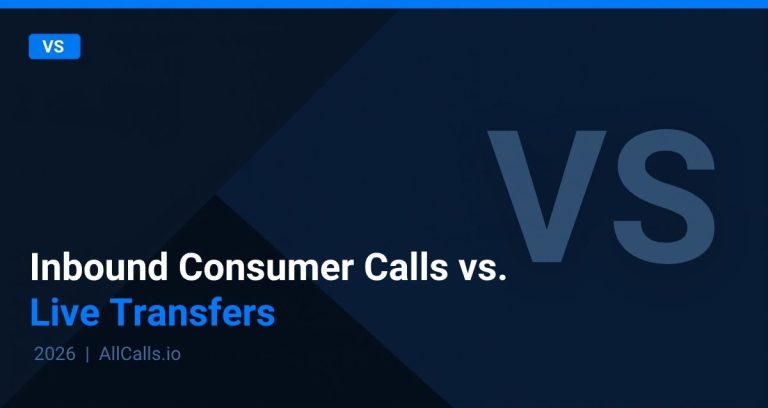
Organic Inbound vs. Cold-Transfer Leads: What Is the Difference?
| Feature | Organic Inbound Call | Cold-Transfer Lead |
|---|---|---|
| Originator | The Consumer | A Telemarketer/Call Center |
| Consumer Intent | High (Proactive) | Medium to Low (Reactive) |
| Initial Experience | Direct connection to agent | Interrupted by a cold call first |
| Compliance Risk | Very Low | Higher (TCPA/DNC concerns) |
| Agent Effort | Closing the sale | Re-establishing rapport |
| Lead Freshness | Instantaneous | Delayed by transfer process |
The most important distinction is the psychological state of the consumer. In an organic inbound call, the agent is the "expert" answering a request for help; in a cold transfer, the agent is often seen as the second person in a telemarketing chain, which can lead to higher hang-up rates.
What Are Common Misconceptions About Inbound Leads?
- Myth: Inbound calls are always more expensive. Reality: While the price per call may be higher than a data lead, the significantly higher closing rate often results in a much lower cost-per-sale.
- Myth: You need a huge marketing budget to get inbound calls. Reality: Using a pay-per-call platform like AllCalls.io allows agents to access inbound calls on-demand without any upfront advertising spend or long-term contracts.
- Myth: All inbound calls are the same quality. Reality: Quality varies based on the source; organic calls driven by search intent are generally superior to calls incentivized by prizes or misleading "free" offers.
How to Get Started with Organic Inbound Calls
- Choose a Reliable Platform: Select an insurtech provider like AllCalls.io that specializes in live, on-demand inbound calls for your specific insurance vertical.
- Select Your Filters: Define the states where you are licensed and the specific insurance lines (e.g., ACA, Medicare, Auto) you wish to receive.
- Set Your Availability: Use the platform’s "on/off" toggle to indicate when you are ready to take live calls, ensuring you never miss a lead while busy.
- Prepare Your Script: Develop a high-impact opening that acknowledges the caller's intent and establishes your authority as a licensed professional.
Frequently Asked Questions
What is a cold-transfer insurance lead?
A cold-transfer lead occurs when a call center agent dials a consumer (often from a data list), confirms interest in an insurance product, and then "transfers" that live person to a licensed agent. This method relies on outbound solicitation rather than the consumer proactively seeking out the agent.
Are inbound insurance calls better than aged leads?
Yes, inbound insurance calls are generally superior to aged leads because they occur in real-time while the consumer is actively thinking about insurance. Aged leads are often days or weeks old, meaning the consumer may have already purchased a policy or lost interest in the topic.
How much do inbound insurance calls cost in 2026?
The cost of inbound insurance calls in 2026 typically ranges from $35 to $120 per call depending on the vertical, such as Medicare or Final Expense. Platforms like AllCalls.io utilize a pay-per-call model, allowing agents to pay only for the live connections they receive rather than a flat monthly fee.
Can I control when I receive inbound calls?
Most modern on-demand platforms allow agents to toggle their availability on or off instantly. This flexibility means you can receive calls during your specific office hours and pause the flow when you are in meetings or taking a break.
Do inbound calls require a contract?
Leading providers in the insurtech space have moved away from long-term contracts, offering "no commitment" models. This allows independent agents to test the lead quality and scale their volume up or down based on their current ROI and capacity.
Conclusion
Organic inbound calls represent the gold standard of insurance lead generation in 2026 by prioritizing consumer intent and agent efficiency. By focusing on prospects who proactively seek out quotes, agents can spend more time closing and less time prospecting. For those looking to grow their book of business, leveraging a platform like AllCalls.io provides the flexibility and quality needed to succeed in a competitive market.
Related Reading:
For a complete overview of modern lead acquisition, see our complete guide to pay-per-call insurance leads. You can also learn more about maximizing conversion rates on inbound calls to improve your agency's ROI.
Sources:
[1] Consumer Trends Report 2026: The Shift to Inbound Communication.
[2] Insurance Marketing Association: 2026 Lead Generation Conversion Statistics.
Related Reading
For a comprehensive overview of this topic, see our The Complete Guide to Pay-Per-Call Insurance Lead Generation in 2026: Everything You Need to Know.
You may also find these related articles helpful:
- What Is an On-Demand Insurance Lead App? The Instant Inbound Call Solution
- How to Receive Inbound Insurance Calls on a Mobile App: 6-Step Guide 2026
- Is Pay-Per-Call Insurance Lead Generation Worth It? 2026 Cost, Benefits, and Verdict
Frequently Asked Questions
What is the main difference between an organic inbound call and a cold transfer?
An organic inbound call is a lead where the consumer proactively dials a phone number after seeing an advertisement. A cold-transfer lead is initiated by a telemarketer who calls a consumer first and then transfers them to an agent once interest is confirmed.
Do inbound calls close at a higher rate than cold transfers?
Inbound calls generally have much higher conversion rates because the consumer is the one who initiated the contact, signaling a higher level of intent and readiness to purchase compared to a prospect who was cold-called.
Are organic inbound calls safer for TCPA compliance?
Yes, organic inbound calls are considered highly compliant because they follow an ‘inbound-only’ model, which avoids the legal complexities and TCPA risks associated with outbound telemarketing and cold-calling lists.
Can I choose which states I receive inbound calls from?
Most professional lead platforms allow you to filter calls by specific states and insurance verticals (like Medicare, ACA, or Auto) to ensure you only receive calls you are licensed and prepared to handle.